Woodworker Chuck
10 Woodworking Hacks Every Beginner Should Master
Beginner woodworkers often face challenges that can turn a fun hobby into a frustrating experience. By mastering these 10 woodworking hacks, you will improve your skills, enhance safety, and streamline your projects. These tips will help you understand important techniques like proper measuring, cutting methods, and tool maintenance while ensuring you create beautiful pieces without hassle. Equip yourself with knowledge and practical advice that will not only boost your confidence but also ignite your passion for woodworking!
Key Takeaways:
- Utilizing important tools properly can significantly enhance woodworking projects; investing in a good quality saw, measuring tape, and clamps is vital for accuracy and safety.
- Learning to understand different types of wood and their properties will help beginners choose the right materials for their projects, ensuring better results.
- Mastering basic joinery techniques, such as dovetails and miters, lays a strong foundation for creating more complex and durable woodworking pieces in the future.
Essential Tools for Every Hobbyist
Having the right tools is key to enhancing your woodworking experience. As a hobbyist, equipping yourself with a balanced selection of both hand and power tools not only makes your projects easier but also allows you to express your creativity effectively. Investing in important tools will lead to improved safety, efficiency, and precision. Start with a solid foundation of tools, and you'll be well on your way to mastering your craft.
The Must-Have Hand Tools
Hand tools are a fundamental part of your woodworking toolkit. You should prioritize acquiring important items like a quality hand saw, chisels, a hammer, measuring tape, and a square. These tools are not only cost-effective but also enhance your skill set and allow for detailed work. Mastering these hand tools will increase your confidence and proficiency in woodworking while you embrace the art of craftsmanship.
Why Power Tools Can Simplify Your Projects
Power tools can significantly streamline your woodworking tasks, making them faster and more efficient. From electric saws to drills, these tools save you valuable time and energy, opening up new possibilities for your projects. Although safety precautions are important, when used correctly, power tools offer a level of precision that can elevate your woodworking skills. Embracing power tools allows you to tackle larger projects with ease and finesse.
When you incorporate power tools into your woodworking arsenal, you gain access to advanced capabilities that hand tools may not provide. For instance, a router can create intricate designs, while a table saw ensures straight, accurate cuts every time. While it's important to approach these tools with caution and respect, their potential to transform how you work is undeniable. By honing your skills with both hand and power tools, you'll not only enhance your productivity but also broaden the range of projects you can undertake.
Mastering the Art of Measurement and Marking
In woodworking, accurate measurement and marking are the foundation of successful projects. As a beginner, honing these skills will ensure that your cuts are precise, joints fit perfectly, and the final product is both functional and aesthetically pleasing. Investing time in mastering the art of measurement and marking will streamline your workflow and enhance your confidence, enabling you to tackle more complex projects with ease.
Techniques to Ensure Precision
To achieve precise measurements, always use a reliable measuring tool, like a tape measure or a caliper. Develop the habit of marking your measurements clearly with a sharp pencil or marking knife. Use techniques such as measuring twice and cutting once to avoid mistakes. Additionally, practicing standard techniques like using reference points and aligning your marks accurately will greatly improve your precision in every project.
The Importance of a Straight Edge and Square
A straight edge and square are your best friends in woodworking. A straight edge guarantees that your cuts remain true and free from bends, while a square ensures that your angles remain at 90 degrees. Using these tools correctly can drastically improve the quality of your work, helping you create clean joints and level surfaces, which are important for both stability and visual appeal.
When you invest in a quality straight edge and square, you are setting the stage for success in your woodworking projects. A straight edge allows you to draw lines that are perfectly aligned with your measurements, significantly reducing the risk of errors during cutting. Meanwhile, using a square to check your angles ensures that your pieces are built evenly, which is paramount for overall balance and stability. Misaligned cuts or improper angles can lead to expensive mistakes, making these tools indispensable for achieving professional results in your projects.
The Secrets of Joint Techniques
Mastering joint techniques is vital for any woodworker, as they provide strength and durability to your projects. You will find a variety of joints, each suited for specific purposes. By understanding the principles behind these connections, you will enhance the quality and longevity of your work, giving your creations a professional finish. The right joints can also ease assembly and ensure that your pieces fit together perfectly.
Exploring the Most Durable Joint Types
| Joint Type | Uses |
| Dowel Joint | Joining boards together |
| Mortise and Tenon | Furniture and frames |
| Box Joint | Drawer construction |
| Finger Joint | Long pieces and edge joining |
| Butt Joint | Quick fixes and simple projects |
The most durable joints not only provide stability but also enhance the aesthetics of your work. Knowing how to select the appropriate joint types will save you time and effort in the long run.
Tips for Seamless Assembly
As far as assembling your projects, precision is key. Ensuring that your joints fit together snugly will create a finished product that is both strong and visually appealing. Take your time during this process, and don't rush to complete your project. By paying attention to detail, you will achieve seamless assembly that showcases your craftsmanship. This approach will elevate the quality of your woodworking endeavors.
- Use a strong adhesive for additional durability.
- Mark your joints clearly to maintain alignment.
- Check the fit before applying adhesive.
- Utilize clamps to hold pieces together during dried time.
- Finally, take your time to ensure a clean finish.
Your attention to detail in assembly will not only improve the look of your projects but also ensure they stand the test of time. Incorporating these techniques into your workflow can greatly affect the end result of your woodworking. This consistency will ultimately lead to a more satisfying experience as you explore your skills.
- Inspect all pieces for uniformity.
- Dry-fit components before final assembly.
- Use wood fillers for gaps to achieve a smoother surface.
- Consider using dowels or pockets for added strength.
- Explore new techniques for improvement.
Enhancing your assembly methods begins with understanding how to prepare each component and ensuring they fit together seamlessly. This attention to detail can transform your woodworking from amateur to professional. Embrace variations as you refine your skills, keeping safety and craftsmanship at the forefront of your practice.
Finishing Touches: Sanding and Painting
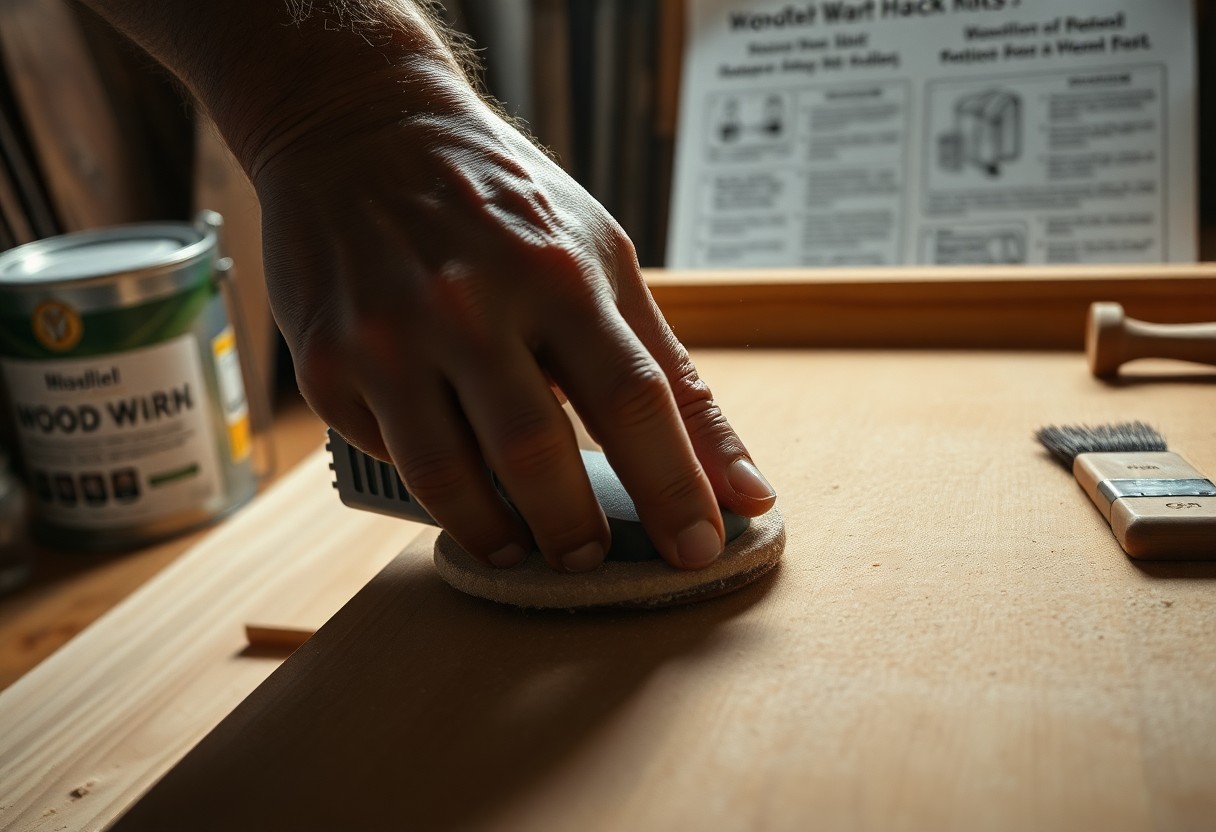
Finishing your woodworking projects with proper sanding and painting can make all the difference in achieving a professional look. Taking the time to smooth out your surfaces and apply the right finish enhances the natural beauty of the wood while providing protection against wear and tear. Whether you choose to stain or paint, these finishing touches will elevate your project to the next level. With some patience and the right techniques, you can turn your woodworking endeavors into stunning pieces of art.
The Best Practices for Sanding Smooth Surfaces
To achieve the smoothest surfaces, start with coarse-grit sandpaper and progressively move to finer grits. Always sand with the grain of the wood, as this prevents scratches that could ruin your finish. Use a sanding block or an orbital sander for even pressure, and be sure to remove all dust between sanding steps to avoid imperfections. This attention to detail will help you create a polished surface ready for painting or staining.
Selecting the Right Paint or Stain
Choosing the right paint or stain is necessary for enhancing your woodworking project. Consider the type of wood you’ve used and the finishing effect you desire. For a natural look, stains allow wood grains to show through, while paint can add a pop of color and cover imperfections. Always test a small area before applying the finish to ensure it meets your expectations and enhances the overall aesthetic of your project.
When deciding on the right paint or stain, think about the durability and application method. Oil-based stains provide deep penetration and protection, while water-based stains have quicker drying times and less odor. For paint, consider using an acrylic or latex option for easy cleanup and lasting results. It's also wise to check compatibility with your wood to ensure optimal adherence. By understanding these elements, you can make informed choices that align with your woodworking goals.
Safety First: Best Practices in the Workshop
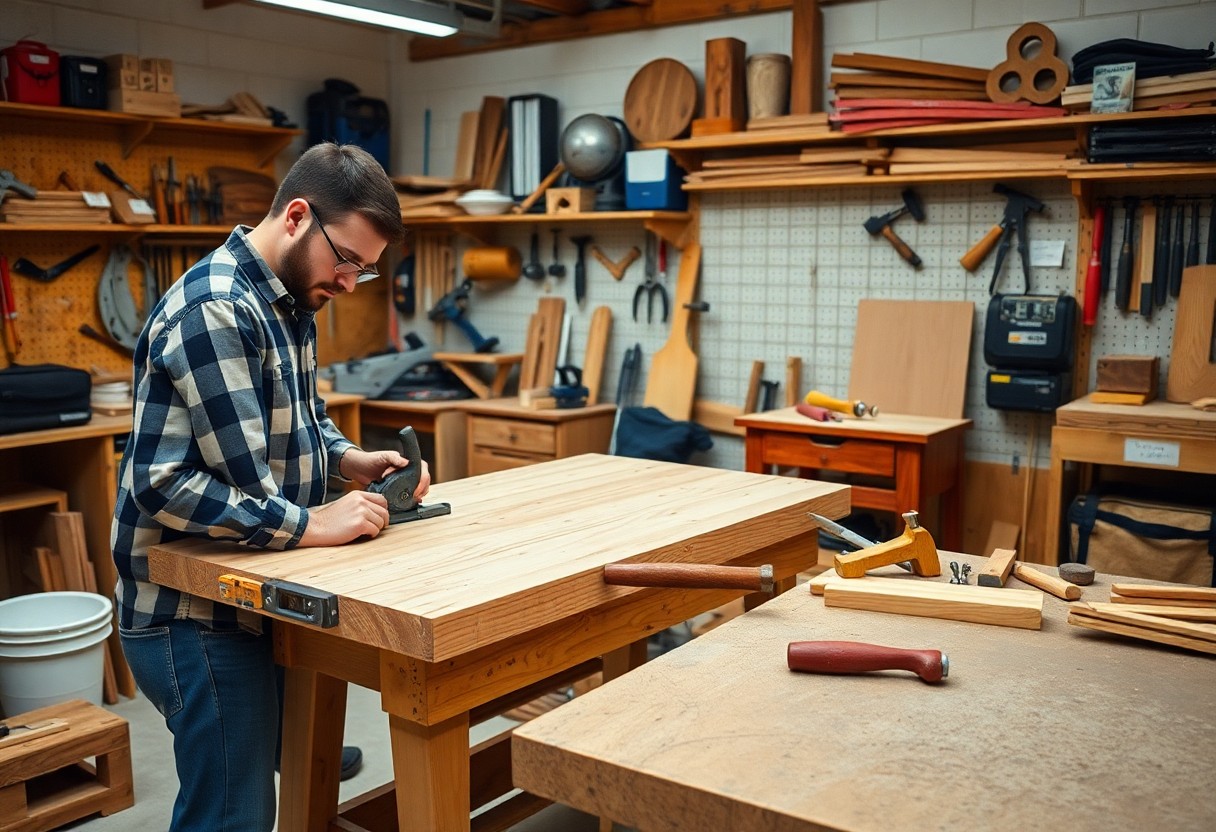
When venturing into woodworking, prioritizing safety is crucial to ensure a positive experience. You should familiarize yourself with the tools and equipment you’ll be using, always adhering to best practices. Consistent vigilance and maintaining a safe workspace not only protect you from accidents but also help enhance your creativity and productivity. Always be aware of your surroundings and maintain a focused mindset while working.
Essential Safety Gear for Beginners
Equipping yourself with the right safety gear is imperative for any woodworking novice. Always wear safety goggles to protect your eyes from any wood shavings or debris, and use ear protection to guard against the loud noises produced by power tools. Additionally, consider donning a dusk mask to avoid inhaling fine particles, and always keep your hands safe with durable gloves. Proper gear significantly minimizes the risk of injury.
Workspace Organization for Injury Prevention
Keeping your workspace organized is key to preventing accidents. You should ensure that tools are stored in designated areas and that your work surface is free of clutter. Avoid leaving tools lying around, as tripping hazards can easily lead to serious injury. Regularly clean up any dust or debris, and clearly mark pathways to allow for safe movement around the workshop.
To create a safer woodworking environment, focus on strategic organization. Invest in storage solutions like tool racks and bins to keep your tools in order and easily accessible. Use a designated area for cutting materials and always make sure that your workbench is clear before starting a project. By reducing clutter and eliminating hazards, the risk of accidents is significantly lowered, allowing you to work confidently and efficiently.
Final Words
The 10 woodworking hacks every beginner should master are vital tools in your crafting journey. By implementing these techniques, you will enhance your skills and efficiency, making your projects more enjoyable and successful. As you practice these hacks, you'll find each one contributes to a greater understanding of woodworking, allowing you to tackle more complex projects with confidence. Continue to explore and refine your abilities, and soon you’ll be creating remarkable pieces that reflect your growing expertise.
Q: What are some effective safety tips for beginners in woodworking?
A: Safety is paramount in woodworking. Always wear appropriate personal protective equipment (PPE) such as safety glasses, gloves, and ear protection when using power tools. Ensure your workspace is well-lit and organized to reduce the risk of accidents. Additionally, familiarize yourself with the tools you’re using. Always read the instruction manual and keep hands at a safe distance from cutting areas. Use push sticks for guiding wood through machines rather than your fingers.
Q: How can beginners achieve better accuracy in their woodworking projects?
A: Achieving accuracy is vital for building high-quality projects. Begin by investing in a reliable measuring tape and square. Always measure twice and cut once to minimize mistakes. Use clamps to hold your pieces in place while working, which helps maintain parallel cuts and secure joints. Additionally, practice makes perfect; continue honing your skills and check your results frequently to fine-tune your technique.
Q: What tools are considered important for beginners starting woodworking?
A: For beginners, having a few important tools can make a significant difference. Start with a circular saw, a jigsaw, and a hand saw for cutting. A drill and a set of drill bits are necessary for making holes and assembling pieces. Additionally, a level, square, and measuring tape are important for accuracy. Basic hand tools like chisels, sandpaper, and a mallet will help in finishing touches. As you gain experience, you can gradually expand your toolkit based on the projects you wish to pursue.
JOIN MY MAILING LIST
Hey, I’m Chuck…

I'm a 55-year-old carpenter with over 20 years of experience in creating custom furniture for family, friends, and clients alike. My passion for woodworking runs deep, and I take pride in blending traditional craftsmanship with modern techniques to produce pieces that are as functional as they are timeless. Sustainability matters to me, so I always choose high-quality, eco-friendly materials for every project. I love sharing my experiences, tips, and favorite products with fellow woodworking enthusiasts. Whether you're looking for inspiration or advice on your next project, I'm here to help guide you on your own woodworking journey.


Copyright © 2025 Woodworker Chuck | All Rights Reserved.
This website is not part of the Meta, Instagram, or Facebook.
Additionally, this site is not endorsed by Meta, Instagram, or Facebook in any way.
Facebook and Instagram are trademarks of Meta Platforms, Inc.